
How AI Can Save Small Teams Hours Each Week
Practical, Low-Risk Ways to Use AI in Everyday Business Operations
Scott Rogge
12/31/20252 min read
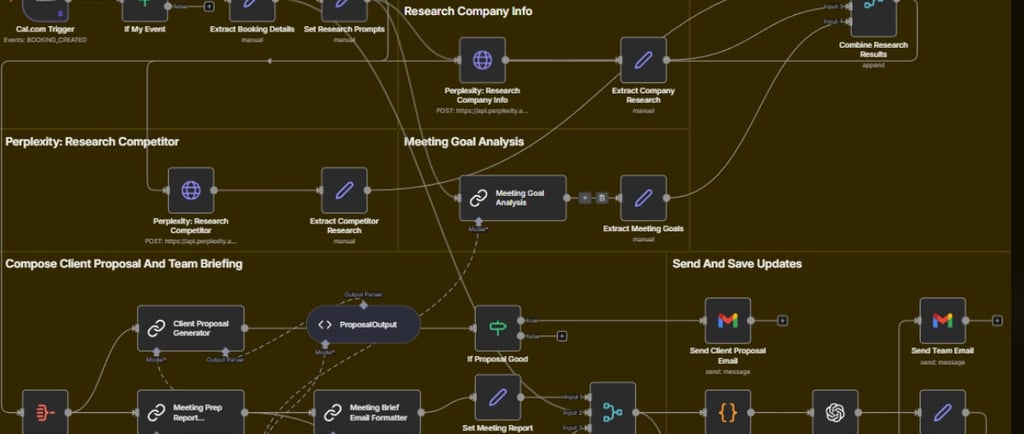
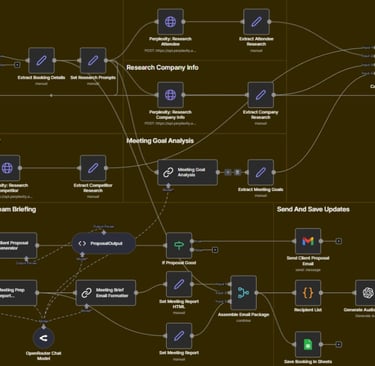
For many small businesses, time is the most limited resource. Teams are lean, everyone wears multiple hats, and repetitive work often pulls attention away from higher-value tasks.
Artificial Intelligence (AI) doesn’t have to be complicated or expensive to make a real impact. When applied thoughtfully, today’s AI tools can help small teams reclaim hours each week by automating routine tasks, improving consistency, and reducing friction.
Here’s how.
1. Automating Everyday Writing and Documentation
Small teams spend a surprising amount of time writing:
Emails
Internal documentation
Proposals and reports
Meeting summaries
AI tools can:
Draft first versions of emails and documents
Summarize long threads or meeting notes
Standardize language for policies and procedures
Instead of starting from a blank page, employees start with a solid draft and refine it often cutting writing time by 50% or more.
2. Faster Research and Decision Support
Research tasks that once took hours can now be completed in minutes.
AI can help with:
Summarizing vendor proposals
Comparing product features
Extracting key points from long documents
Generating pros/cons lists for decision-making
This doesn’t replace human judgment it speeds up the preparation work so decisions happen faster and with better context.
3. Smarter Internal Support and Knowledge Sharing
Many small businesses rely on one or two people who “just know how things work.” When those people are unavailable, productivity drops.
AI tools can:
Help create searchable internal FAQs
Summarize existing documentation
Assist with onboarding checklists
Provide quick answers from internal knowledge bases
This reduces interruptions, improves consistency, and helps new employees ramp up faster.
4. Improving Customer Communication Without Adding Staff
Responding to customers takes time especially when messages are similar.
AI can assist by:
Drafting responses to common inquiries
Rewriting messages for clarity and tone
Summarizing customer history before a call
Creating follow-up reminders and action lists
The result is faster response times without sacrificing professionalism or accuracy.
5. Turning Unstructured Information Into Actionable Tasks
Meetings, calls, and brainstorming sessions generate lots of information but not always clear action items.
AI tools can:
Summarize meeting notes
Extract tasks and deadlines
Highlight follow-ups
Create structured to-do lists
This helps teams stay aligned and reduces the need for follow-up meetings.
What AI Is Not (And Why That Matters)
AI works best when it:
Assists people, not replaces them
Operates within defined boundaries
Uses appropriate data and security controls
It should not:
Replace business judgment
Access sensitive data without safeguards
Be implemented without policies or oversight
Thoughtful implementation is key to real savings — and avoiding unnecessary risk.
How We Help Small Businesses Use AI Effectively
We help small businesses adopt AI tools in a practical, secure, and business-focused way.
Our approach includes:
Identifying workflows where AI provides real time savings
Recommending tools that fit your team and budget
Establishing usage guidelines and security best practices
Training staff on effective and responsible use
Integrating AI into existing systems not disrupting them
We focus on measurable productivity gains, not buzzwords.
Final Thoughts
AI doesn’t require a large budget or a technical team to deliver value. For small businesses, the biggest wins come from eliminating friction in everyday work and that’s where AI excels.
If your team feels stretched thin, the right AI tools can give you time back often within days, not months.
Contact us to explore how AI can support your team and streamline your operations without adding complexity.